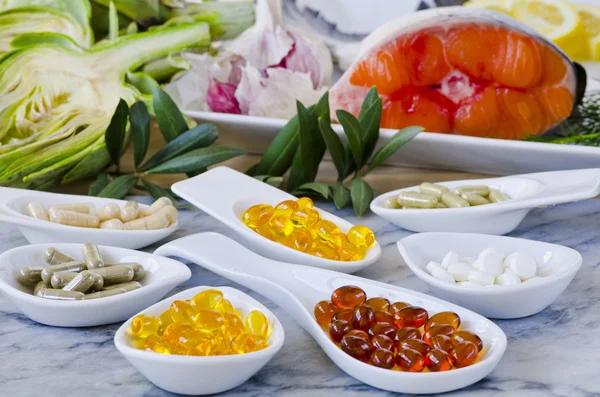
In recent years, the interest in herbal supplements as a means to boost immune function has surged. This growing fascination is not unfounded; it stems from a blend of traditional wisdom and modern scientific inquiry. Herbal supplements have long been used in various cultures for their potential health benefits, and today they are increasingly being scrutinized for their role in supporting the immune system.
The human immune system is a complex network that defends the body against pathogens. It requires proper nourishment and support to function optimally. While a balanced diet, regular exercise, adequate sleep, and stress management are foundational to maintaining a healthy immune system, herbal supplements can play an adjunctive role by providing additional nutritional support.
Herbal supplements such as echinacea, elderberry, astragalus root, garlic, and ginger have garnered attention for their purported immune-boosting properties. Echinacea is believed to enhance the activity of white blood cells which are crucial in fighting infections. Elderberry is rich in antioxidants known to combat oxidative stress that can weaken immunity. Astragalus root has been traditionally used in Chinese medicine for its adaptogenic properties that help the body resist various stresses including those affecting immunity.
Garlic contains allicin which has antimicrobial properties that may assist in warding D8 GAS off colds and other infections. Ginger is another herb celebrated for its anti-inflammatory effects which could potentially reduce inflammation-related damage to immune cells.
Scientific studies exploring these herbs reveal varying degrees of efficacy but consistently highlight their potential benefits when incorporated into one’s lifestyle judiciously alongside conventional health practices. However, it’s essential to recognize that while herbal supplements can contribute positively towards enhancing immunity they should not be viewed as standalone cures or preventatives against diseases like COVID-19 or influenza.