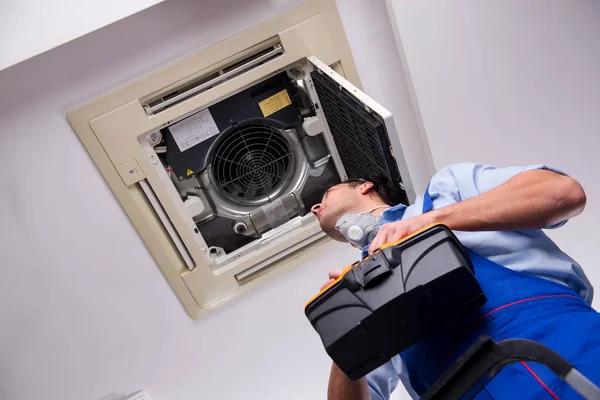
Managing team scheduling confidently is a critical task for HVAC contractors aiming to maintain efficiency, meet client demands, and optimize workforce productivity. The process begins with understanding the scope of work and the availability of each team member. Contractors must assess job requirements carefully to allocate appropriate resources based on skill levels and certifications. This ensures that technicians are neither overburdened nor underutilized, reducing downtime and enhancing service quality.
Effective communication forms the backbone of successful scheduling. HVAC contractors need to establish clear channels where team members can report their availability, preferences, or any unexpected changes promptly. Utilizing digital tools such as scheduling software can streamline this communication by providing real-time updates accessible to both managers and technicians. These platforms help avoid conflicts by automatically flagging overlapping appointments or double bookings, allowing managers to adjust schedules proactively.
Another essential step involves prioritizing jobs according to urgency and complexity. Emergency repairs demand immediate attention while routine maintenance can be scheduled during less busy periods. By categorizing tasks effectively, contractors can assign teams in a manner that balances workload evenly across days or weeks. This approach prevents burnout among employees while ensuring customers receive timely responses.
Flexibility is also vital when managing HVAC teams since unforeseen events like equipment failures or weather conditions often disrupt plans. Contractors who build contingency options into their schedules-such as having standby technicians ready-can respond swiftly without compromising ongoing projects. Regularly reviewing completed schedules helps identify patterns where adjustments might be necessary for future planning.
Training plays an important role in confident scheduling as well. When all team members understand the importance of punctuality and adherence to assigned tasks, it fosters accountability within the group. Providing ongoing professional development opportunities keeps skills sharp so assignments match technician capabilities accurately.
Furthermore, involving employees in the scheduling process boosts morale and ownership over their work hours. Soliciting feedback about shift preferences or workload challenges encourages transparency between management and staff, leading to learn more realistic timetables that accommodate personal needs alongside business goals.
In summary, HVAC contractors manage team scheduling confidently by combining thorough assessment of job requirements with effective communication tools, prioritization strategies, flexibility measures, continuous training efforts, and inclusive practices involving employee input. These steps create a structured yet adaptable system that maximizes operational efficiency while maintaining high employee satisfaction levels-all crucial factors for success in a competitive industry reliant on dependable service delivery every day.