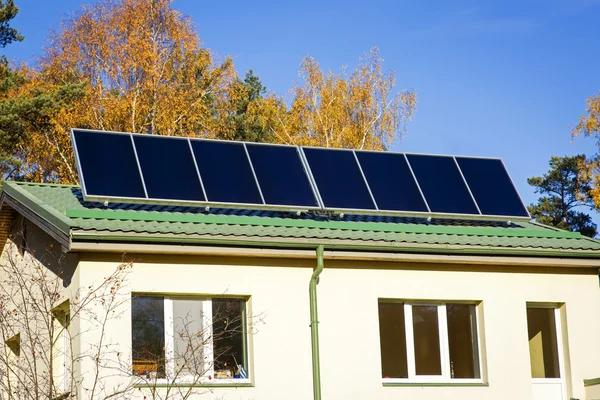
Installing solar energy systems requires careful attention to various technical and regulatory requirements to ensure safety, efficiency, and compliance with local laws. Before installation begins, it is important to understand the specific solar requirements that may vary depending on the location and type of system being installed. These requirements typically cover electrical standards, structural considerations, equipment certifications, and connection protocols to the grid.
One of the primary technical aspects involves adhering to national or regional electrical codes designed to guarantee safe operation. These codes dictate how solar panels should be wired, grounded, and integrated with existing electrical systems. Proper adherence prevents risks such as electrical shocks or fires while ensuring optimal performance. Installers must use certified components that meet established quality benchmarks set by recognized authorities or testing organizations.
Structural integrity is another critical factor in solar installations. Roof-mounted systems require an assessment of learn all the details building’s ability to support additional weight without compromising stability. This often involves consulting a structural engineer who evaluates factors like roof pitch, material strength, and load-bearing capacity. Ground-mounted arrays also need site-specific evaluations concerning soil conditions and environmental impact.
In addition to technical criteria, obtaining local authority approvals is a vital step before proceeding with installation. Many municipalities have permitting processes that involve submitting detailed plans illustrating system design, placement, wiring diagrams, and compliance statements. The purpose of these permits is not only regulatory oversight but also coordination with other utilities or emergency services if necessary.
Local regulations can include zoning restrictions that limit where solar panels can be placed on a property or specify aesthetic guidelines aimed at preserving neighborhood character. Some areas may impose height limits or require screening measures for visibility concerns. Homeowners associations might have their own rules which must be considered alongside municipal ordinances.
Once permits are granted and installation completed according to approved plans, inspections by qualified officials usually follow as part of final approval procedures. Inspectors verify that all work meets code requirements and functions safely within the grid infrastructure if connected utility-side interconnection agreements apply.
Understanding both the technical specifications for solar equipment installation and navigating local authority approval processes ensures successful integration of renewable energy solutions into homes or businesses while maintaining legal compliance throughout every stage of development. Early consultation with professionals knowledgeable about regional regulations helps streamline project timelines by anticipating potential obstacles related to permits or construction standards before they arise during implementation phases.