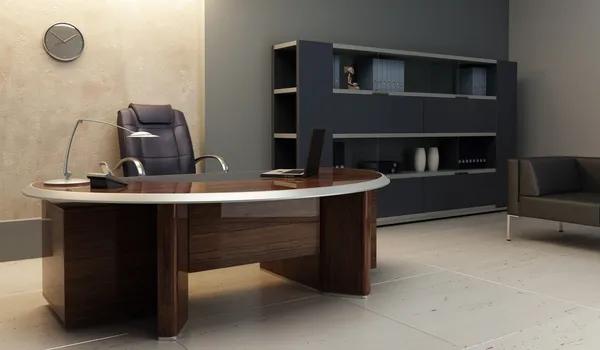
In the ever-evolving landscape of modern business, companies are increasingly recognizing the importance of creating work environments that foster productivity, creativity, and employee well-being. One significant aspect of this transformation is the choice of office furniture. For growing businesses, selecting smart office furniture is not just about aesthetics; it’s a strategic decision that can influence efficiency and success.
Firstly, ergonomic design is paramount when choosing office furniture for a burgeoning company. Ergonomics focuses on creating products that support human health and comfort over prolonged periods. Chairs with adjustable height settings, lumbar support, and armrests can significantly reduce physical strain on employees who spend long hours at their desks. Similarly, desks should offer flexibility in terms of height adjustment to accommodate both sitting and standing positions. This adaptability not only promotes better posture but also encourages movement throughout the day, which can enhance focus and energy levels.
Moreover, modular furniture systems present an ideal solution visit for more insights expanding businesses due to their versatility. These systems allow companies to reconfigure workspaces quickly as teams grow or projects change direction. Modular desks and storage units can be easily rearranged or added without disrupting workflow or requiring costly renovations. Such adaptability ensures that the office environment remains conducive to collaboration while accommodating changing needs.
Another crucial consideration is technology integration within office furniture choices. In today’s digital age, seamless connectivity is essential for smooth operations. Desks equipped with built-in power outlets and USB ports facilitate easy device charging and minimize cable clutter—an important feature in maintaining an organized workspace conducive to productivity.
Sustainability also plays a vital role in choosing smart office furniture for forward-thinking businesses committed to environmental responsibility. Opting for pieces made from recycled materials or sustainably sourced wood reflects a company’s dedication to eco-friendly practices—a value increasingly appreciated by clients and employees alike.
Furthermore, investing in multifunctional furniture pieces can maximize limited space—an often critical factor for growing enterprises operating out of compact offices initially. Items such as foldable tables or stackable chairs provide flexibility during meetings or events without occupying unnecessary floor space when not in use.
Lastly, aesthetic appeal should not be overlooked even amid practical considerations because it contributes significantly to workplace atmosphere—a key element influencing employee satisfaction and motivation levels daily.
In conclusion: Smartly chosen office furnishings are integral components shaping efficient yet flexible environments where innovation thrives alongside growth ambitions within contemporary business landscapes today! Whether prioritizing ergonomics through adaptable designs like modular setups featuring integrated tech solutions underpinned by sustainable principles—all these factors collectively ensure thriving workplaces capable meeting diverse demands posed dynamic industries tomorrow too!