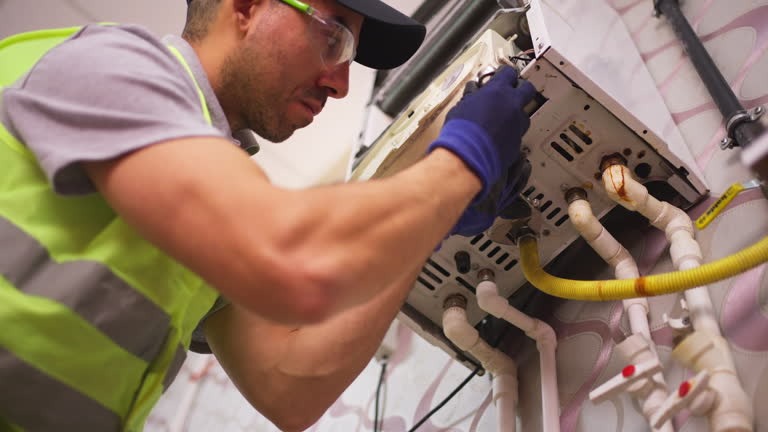
Maintaining your air conditioning (AC) system is crucial for ensuring its efficiency, longevity, and optimal performance. A key component of any AC unit is the refrigerant, a substance that plays an essential role in cooling your home. Understanding the function of refrigerants and how to maintain them can significantly impact the overall health of your AC system.
Refrigerants are chemical compounds used in air conditioners to absorb heat from indoor air and release it outside, thus cooling down the interior space. They cycle through various states of matter—liquid and gas—within the coils of an AC unit, facilitating heat exchange and maintaining comfortable indoor temperatures. Over time, due to wear and tear or possible leaks, the level or efficiency of refrigerants may diminish. This reduction can lead to decreased cooling capacity and increased energy consumption as your system works harder to achieve desired temperatures.
Proper maintenance involves regular checks on refrigerant levels by a qualified technician. An imbalance in these levels often indicates leaks within the system’s coils or connections that need immediate attention. Leaks not only reduce efficiency but also pose environmental hazards since many traditional refrigerants contribute significantly to ozone depletion when released into the atmosphere.
In recent years, there has been a source shift towards more environmentally friendly refrigerants with lower global warming potential (GWP). The phase-out of older substances like R-22 in favor of alternatives such as R-410A reflects growing regulatory measures aimed at minimizing ecological impacts while enhancing safety standards within residential settings.
To ensure efficient operation, it’s advisable for homeowners to schedule annual inspections where professionals can assess not just refrigerant levels but also other critical components like filters, fans, and thermostats. During these check-ups, technicians might perform tests using specialized tools designed specifically for detecting leaks or pressure imbalances indicative of underlying issues requiring prompt intervention.
For those inclined towards DIY solutions regarding minor maintenance tasks such as cleaning filters or checking external units for debris buildup—these efforts can certainly complement professional servicing routines by helping prevent blockages which could otherwise impede airflow leading directly back into affecting overall functionality including how effectively cool air circulates throughout spaces served by respective systems installed at homes across varied geographic locales nationwide today!
In conclusion: maintaining proper care practices around usage/application concerning specific types/brands/models available commercially ensures operational integrity remains intact over extended periods thereby maximizing return-on-investment associated initially acquiring/installing said equipment originally intended provide reliable climate control year-round regardless seasonal fluctuations weather patterns observed locally regionally globally alike!