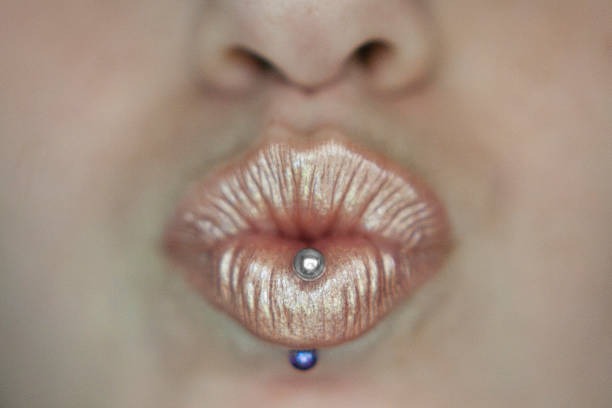
When considering a new piercing, the choice of jewelry material is crucial for ensuring safety and comfort. A well-chosen material can prevent allergic reactions, reduce healing time, and provide long-term wearability. Here’s an exploration of some of the best materials for safe and comfortable piercings.
Titanium stands out as one of the top choices for body jewelry due to its biocompatibility. It is exceptionally lightweight yet strong, making it ideal for those with sensitive skin or metal allergies. Titanium does not contain nickel, which is a common allergen associated with many adverse reactions in piercings. Its hypoallergenic nature ensures that even individuals with severe sensitivities can wear it without concern. Additionally, titanium is available in various colors through anodization, offering aesthetic versatility without compromising safety.
Surgical stainless steel is another popular option widely used in both initial piercings and healed ones. Known for its durability and resistance to corrosion, surgical stainless steel contains small amounts of nickel but typically does not cause irritation when properly processed to medical-grade standards like 316L or 316LVM. These grades are polished to smooth finishes that minimize irritation during explore the full story healing process.
For those seeking organic options, niobium offers an excellent alternative similar to titanium in terms of hypoallergenic properties. While slightly heavier than titanium, niobium remains a safe choice because it doesn’t contain any allergens like nickel or lead. It can also be anodized into vibrant colors without compromising its integrity or causing skin irritation.
Gold has been a classic choice in jewelry-making for centuries; however, when selecting gold jewelry for piercings, it’s essential to choose high-quality pieces made from at least 14-karat gold or higher to ensure safety and avoid alloys that might include irritants such as nickel or copper. Gold’s natural antibacterial properties aid healing while providing timeless elegance.
Bioplast and PTFE (polytetrafluoroethylene) are synthetic materials gaining popularity due to their flexibility and biocompatibility. These plastics are particularly beneficial during initial healing stages where swelling may occur since they allow easy adjustments without causing additional trauma around the piercing site.
In summary, choosing appropriate materials plays a vital role in ensuring both comfort and health when getting pierced. Prioritizing hypoallergenic metals like titanium or niobium along with carefully selected surgical stainless steel varieties provides peace of mind against potential allergic reactions while promoting smoother recovery periods after procedures—allowing individuals not only safer experiences but also more enjoyable expressions through body art modifications over time!