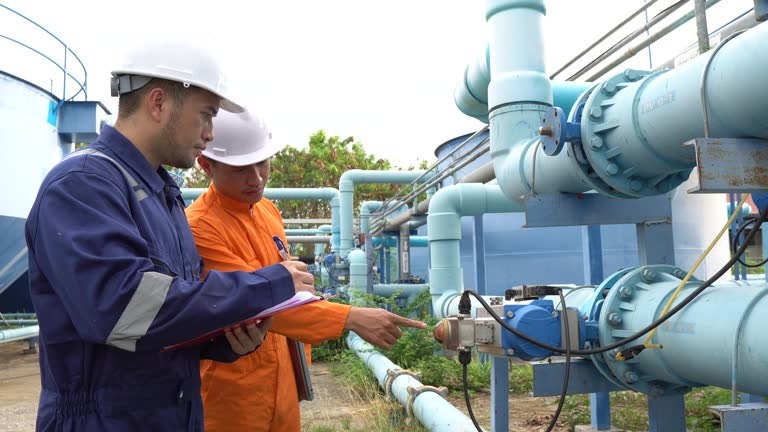
Whole house plumbing inspection is an essential process that homeowners should consider to ensure their home’s plumbing system is in excellent condition. This inspection involves a thorough check of all the pipes, drains, faucets, and fixtures in your home. It can help identify any potential issues before they turn into costly repairs.
One of the key things to know about whole-house plumbing inspections is their importance. They are crucial because they can detect problems early on, saving you from expensive repair costs down the line. For instance, a small leak may seem insignificant initially but if left unattended it could lead to extensive water damage over time. By conducting regular inspections, such issues can be identified and rectified promptly.
Another important aspect of a whole-house plumbing inspection is understanding what it entails. A professional plumber will inspect all visible and accessible components of your home’s plumbing system including pipes under sinks and toilets, exposed pipes in basements or crawl spaces, water heaters, shut-off valves and more. They will look for signs of leaks or corrosion on pipes and fittings; test water pressure; inspect drains for proper flow; examine fixtures for possible leaks or drips; assess explore the website functionality of appliances like dishwashers and washing machines that connect to your home’s water supply.
It’s also essential to understand that not all problems can be spotted during an initial inspection as some issues might only become apparent once a part has been removed or when there’s active use over time. Therefore, regular inspections are recommended even if no immediate problems are found.
Furthermore, knowing who should conduct these inspections is vital too. While some homeowners might feel capable enough to carry out this task themselves with online guides at hand – it’s always best left to professionals who have years of experience dealing with various types of plumbing systems.
Finally yet importantly, knowing when these inspections should take place is key too. Ideally one should be done every two years but there are situations where you may need them more frequently. For example, if your home is over 30 years old, you have large trees near your sewer line or if you’ve had plumbing issues in the past. Also, a whole-house plumbing inspection should be on your checklist when buying a new home to avoid any unexpected surprises.
In conclusion, a whole-house plumbing inspection is an important part of maintaining the health of your home’s plumbing system. It can help detect potential problems early and save you from expensive repair costs down the line. By understanding what this process entails, who should conduct it and when it’s needed – homeowners can ensure their property remains in top shape for years to come.