Motorsport connections have long been a cornerstone in the realm of professional automotive services, serving as a bridge that links high-performance racing technology with everyday vehicle maintenance and repair. This symbiotic relationship not only enhances the quality of services provided to consumers but also drives innovation within the automotive industry.
At the heart of this connection is the transfer of cutting-edge technology from race tracks to commercial garages. Motorsport teams are constantly pushing boundaries, developing new materials, engineering techniques, and performance-enhancing technologies to gain competitive advantages. These innovations often trickle down into mainstream automotive services. For instance, advancements in aerodynamics and lightweight materials initially designed for racing cars have found their way into regular vehicles, improving fuel efficiency and safety standards.
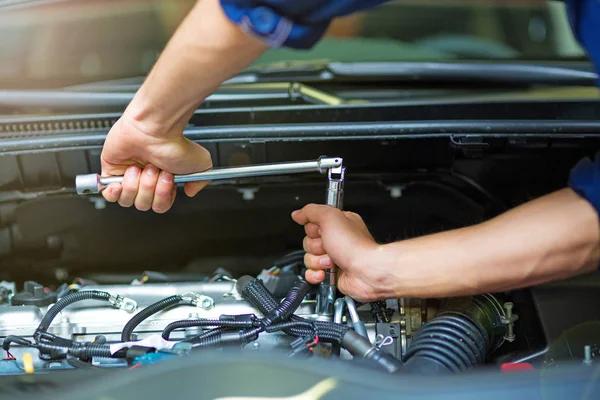
Professional automotive service providers benefit immensely from these technological advancements. By adopting motorsport-derived technologies, they can offer superior diagnostic tools and repair solutions. For example, telemetry systems used in motorsports for real-time data analysis are now being utilized by service centers to monitor vehicle health remotely. This allows mechanics to diagnose issues more accurately and efficiently before they become serious problems.
Moreover, Motorsport Connections foster a culture of excellence among professionals in the automotive service industry. Exposure to high-stakes environments like those found in racing cultivates an ethos centered around precision, speed, and attention to detail—qualities that are crucial when servicing any vehicle. Many technicians who work on race cars bring their expertise into commercial settings after leaving the trackside environment.
This cross-pollination extends beyond just technological transfers; it influences training methodologies as well. Automotive technicians with experience or exposure to motorsports often undergo rigorous training programs that emphasize both theoretical knowledge and practical skills honed under pressure-cooker conditions typical in races. As such trained professionals transition into broader roles within auto service businesses or open their own enterprises, they elevate industry standards through enhanced skill sets.
Furthermore, collaborations between car manufacturers involved in both production vehicles and motorsports create unique opportunities for professional development within automotive services sectors worldwide via specialized workshops or joint ventures aimed at sharing best practices across disciplines—from engineering principles applied during design phases up until final assembly lines where quality control measures ensure each component meets stringent specifications set forth by governing bodies overseeing motor-racing competitions globally today!
In conclusion: The dynamic interplay between motorsport entities alongside traditional automobile servicing firms continues driving forward progress throughout entire industries alike—ultimately benefiting consumers seeking reliable transportation options backed up robustly thanks largely due ongoing efforts made possible through shared knowledge bases established over years working together collaboratively towards common goals achieving excellence consistently across board!
Motorsport Connections
2556 Landmark Dr, Winston-Salem, NC 27103
336-659-8988