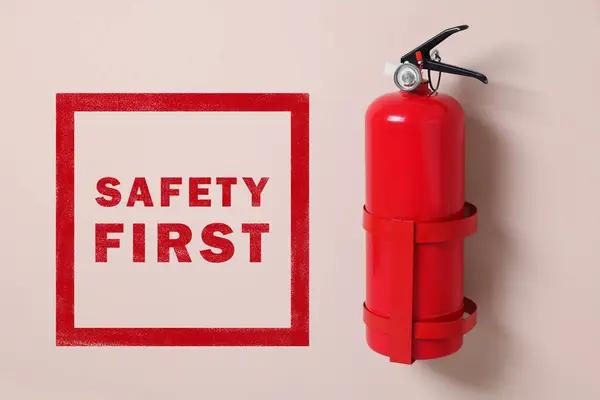
In today’s rapidly evolving work environment, health and safety planning has become an integral aspect of organizational success. As businesses adapt to new technologies and changing workforce dynamics, implementing effective health and safety strategies is essential to ensure the well-being of employees and the overall productivity of the workplace.
A comprehensive health and safety plan begins with a thorough assessment of potential risks within the workplace. This involves identifying hazards specific to the industry, such as machinery-related risks in manufacturing or ergonomic challenges in office settings. Conducting regular risk assessments helps organizations stay proactive in mitigating potential threats before they escalate into serious issues.
One key strategy for successful health and safety planning is fostering a culture of awareness among employees. Training programs should be implemented to educate staff on best practices for maintaining a safe work environment. These programs should cover topics like emergency procedures, proper equipment handling, and recognizing signs of occupational stress or fatigue. find out more by clicking this link empowering employees with knowledge, businesses can create a workforce that actively contributes to maintaining a safe workplace.
Another crucial element is ensuring open communication channels between management and staff regarding health and safety concerns. Encouraging employees to report hazards without fear of retaliation fosters an atmosphere where issues can be addressed promptly. Regular meetings or feedback sessions dedicated solely to discussing health and safety matters can help reinforce this open dialogue.
Technological advancements also play a significant role in enhancing workplace safety. The integration of smart devices, wearable technology, and data analytics allows companies to monitor conditions in real-time, providing valuable insights into areas that require attention. For example, sensors can detect hazardous levels of noise or air quality changes, enabling immediate corrective actions.
Moreover, mental health has emerged as an important component of modern workplace safety plans. Organizations are increasingly recognizing the impact that mental well-being has on employee performance and overall company morale. Initiatives such as stress management workshops or access to counseling services demonstrate a commitment to supporting employees’ mental health needs alongside their physical ones.
Regular evaluation and updating of the existing health and safety policies are necessary for continuous improvement. As industries evolve with new regulations or technological innovations, adapting these policies ensures they remain relevant and effective over time.
Finally, leadership commitment is paramount for any successful implementation plan; when leaders prioritize employee welfare by investing resources into robust safety measures—such as protective gear upgrades—they set standards that resonate throughout all levels within their organization.
In conclusion, effective health & safety planning requires ongoing effort across multiple facets—from education initiatives through leveraging technology—all aimed at creating environments where workers feel secure both physically & mentally while performing daily tasks efficiently under vigilant oversight from committed leadership teams who value human capital above all else!