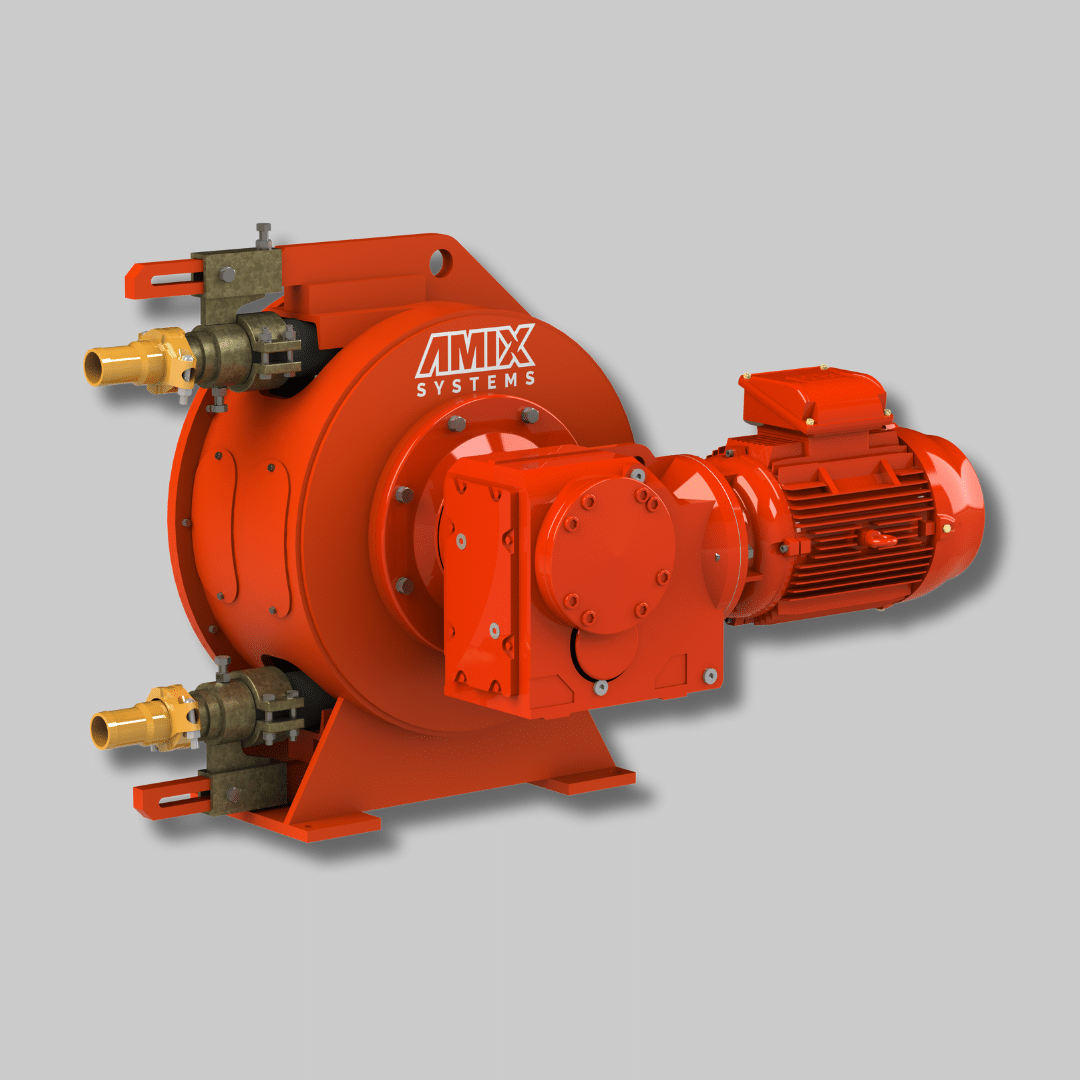
Bentonite cement grout is a widely used material in soil stabilization projects due to its unique properties that enhance soil strength and reduce permeability. This grout combines bentonite, a naturally occurring clay known for its swelling and sealing capabilities, with cement, which provides structural integrity and durability. The synergy between these two components makes bentonite cement grout an effective solution for improving ground conditions in various civil engineering applications.
The primary purpose of using bentonite cement grout in soil stabilization is to increase the load-bearing capacity of weak or loose soils. When injected into the ground, the grout fills voids and binds soil particles together, creating a more cohesive and stable mass. Bentonite’s ability to absorb water causes it to swell, which helps seal off cracks and prevent water infiltration. Meanwhile, the cement component hardens over time, forming a solid matrix that reinforces the treated soil.
Preparing bentonite cement grout requires careful proportioning of materials to achieve optimal performance. Typically, dry powdered bentonite is mixed with water to form a slurry before adding Portland cement. The ratio of bentonite to cement varies depending on project requirements but generally ranges from 5% to 15% bentonite by weight relative to the total solids content. Adjusting this ratio influences factors such as viscosity, setting time, permeability reduction, and compressive strength.
Application methods for bentonite cement grout include pressure grouting through injection wells or boreholes drilled into the target soil strata. Controlled injection pressures ensure uniform distribution without fracturing the surrounding ground excessively. Grouting operations are often monitored using instrumentation like piezometers or settlement gauges to assess improvements in pore water pressure and deformation characteristics during treatment.
One significant advantage of using bentonite cement grout is its environmental compatibility compared to chemical grouts containing synthetic polymers or resins. Bentonite is non-toxic and abundant in nature while providing excellent sealing properties even under fluctuating moisture conditions typical at construction sites near groundwater tables.
However, there are challenges associated with utilizing this type of grout effectively. For instance, improper mixing can lead to segregation where heavy particles settle out causing inconsistent material properties upon curing. Additionally, excessive injection pressures may cause hydraulic fracturing leading not only to inefficient treatment but also potential damage around critical infrastructure.
In conclusion, bentonite cement grout serves as an invaluable tool for engineers tackling difficult geotechnical problems involving unstable soils prone to settlement or seepage issues.